

Düne Tannenbusch is a nature reserve in Bonn’s Tannenbusch district, where the remains of an ancient inland dune sit within a built-up urban area. It offers a nature-focused stop on a Bonn outing, with protected sandy habitat and clear rules for staying on the paths.
- Location: Tannenbusch district, Bonn
- Size: about 6.7–7 hectares
- Access: keep to surfaced or marked paths
- Hours and admission: check the City of Bonn’s official site before you go
What makes Düne Tannenbusch notable
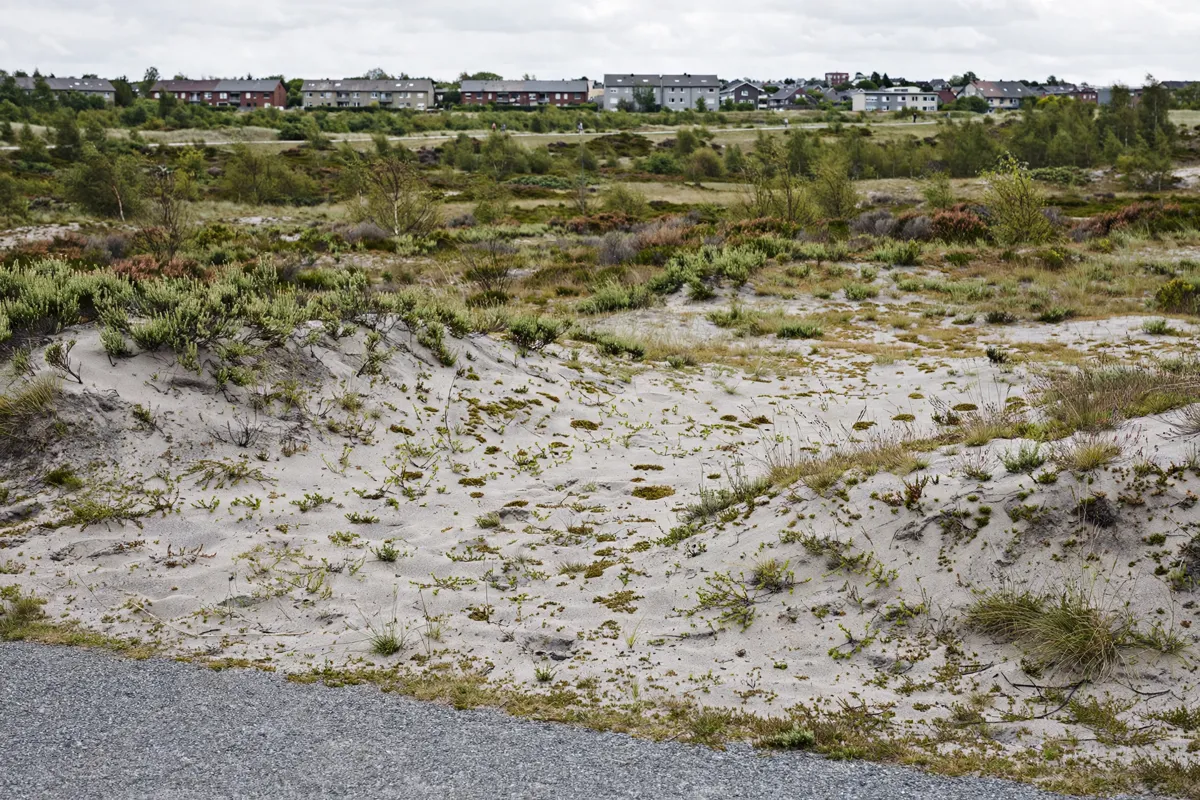
Düne Tannenbusch preserves part of an inland dune formed by windblown Rhine sand around 10,000–11,000 years ago.
Bonn first designated it as a nature reserve in 1989, and its current protection is set out in the Kottenforst landscape plan of 27 February 2013.
Deep, dry, nutrient-poor sand and open areas create habitat for threatened plants and wildlife, including species associated with dry grassland and insects. The City describes the reserve as an important biotope in northern Bonn’s urban fabric and one of the few inland dunes remaining in Germany.
How should you explore the paths and protect the reserve?
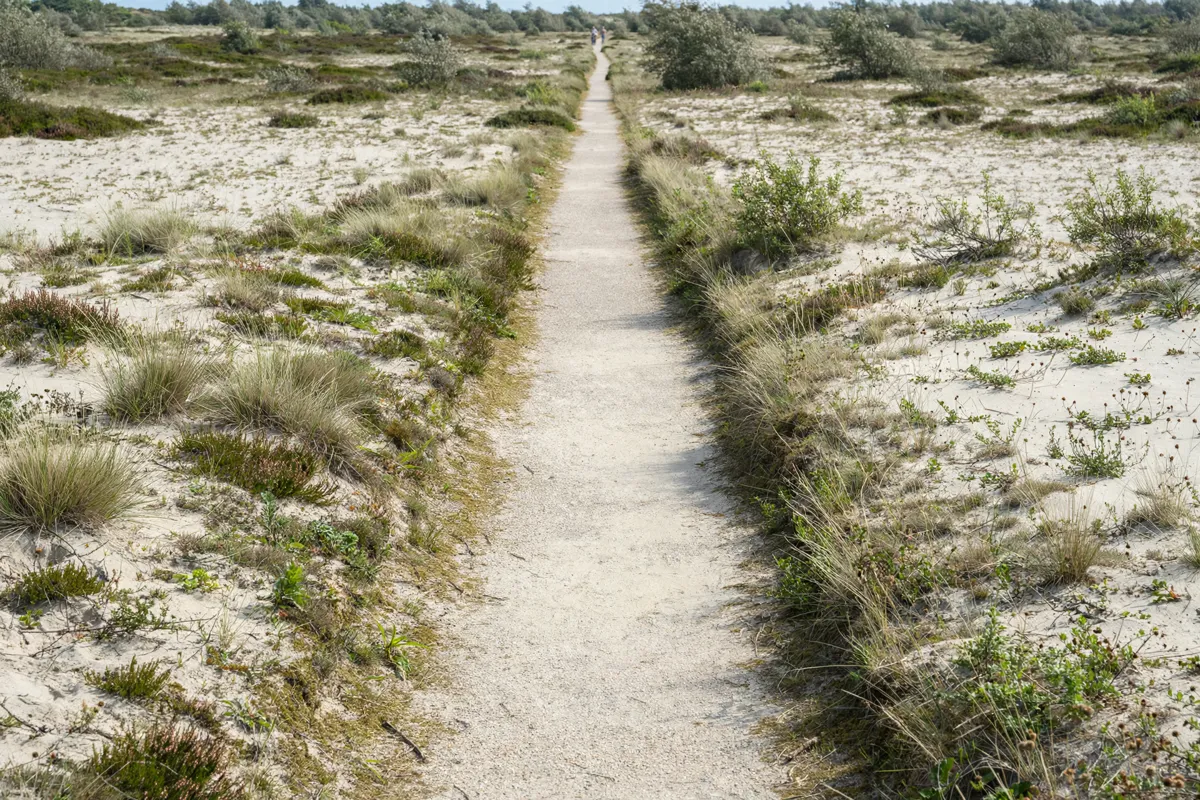
Stay on surfaced or marked paths: visitors must not enter, drive across or ride on the areas around them. That restriction helps protect the sensitive sandy habitat and the wildlife that depends on it.
Keep dogs on a lead, do not let them run off-path, and take dog waste with you. The reserve rules also prohibit picking or damaging plants and fungi, disturbing or capturing wild animals, and damaging nests or other breeding and refuge sites. Fires, camping and leaving vehicles or equipment in the protected area are prohibited.
The Biological Station Bonn/Rhein-Erft carries out regular habitat-care work to preserve a mix of open sand and sparse vegetation and prevent shrubs from gradually taking over. It has cared for the protected dune since its founding in November 2001. Staying on the paths and keeping dogs leashed supports this work and gives birds space to breed.
How can you plan a visit from Willich?
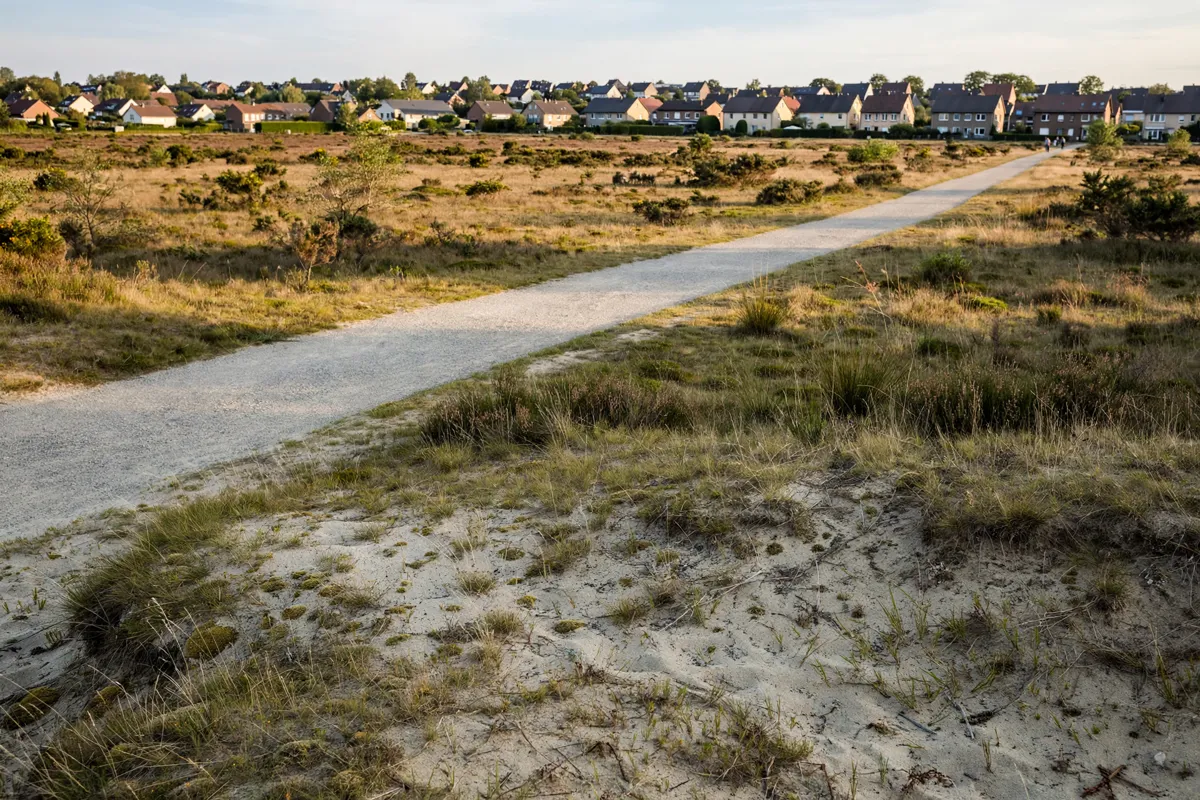
Düne Tannenbusch is a longer regional outing from Willich, so check the door-to-door route and travel time before setting out.
For current access and admission details, check the City of Bonn’s official site before you go. If Willich is your starting point, you can browse the rooms offered at Hotel am Park - Willich - Düsseldorf - Krefeld while arranging the wider trip.
Can you combine the reserve with a Bonn visit?
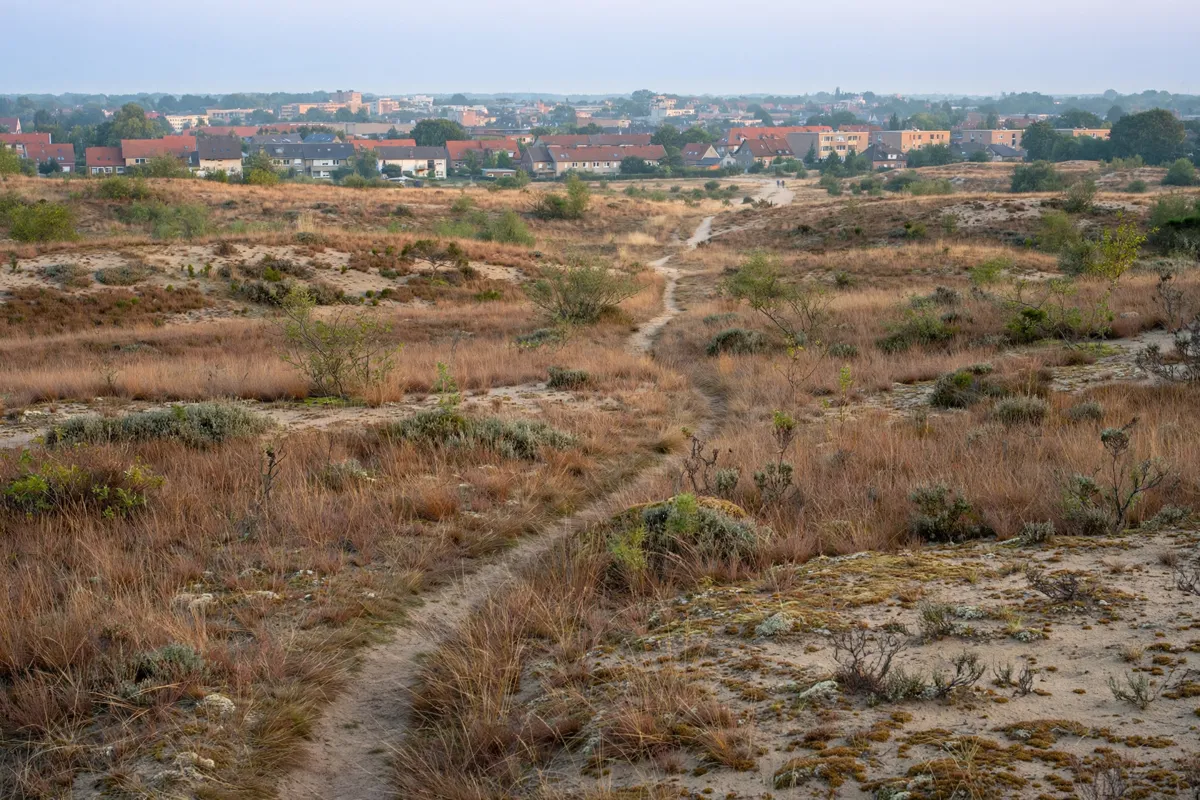
Düne Tannenbusch is a nature-focused stop for a Bonn day.
For a different kind of nature outing closer to Willich, where to take a walk at Neersener Bruch is another subject to consider when planning the region.
FAQs
Is Düne Tannenbusch a nature reserve?
Yes. Bonn designated it as a nature reserve in 1989, and the current protection is set out in the Kottenforst landscape plan.
How large is Düne Tannenbusch?
The reserve covers approximately 6.7–7 hectares.
Are dogs allowed at Düne Tannenbusch?
Dogs must be kept on a lead and stay on the paths. You must remove dog waste.